


FC Bayern Munich have been one of Europe’s best teams forever, but how they’re handling Jamal Musiala’s current medical situation is nothing short of shameful – their status and past successes do not absolve them from that.
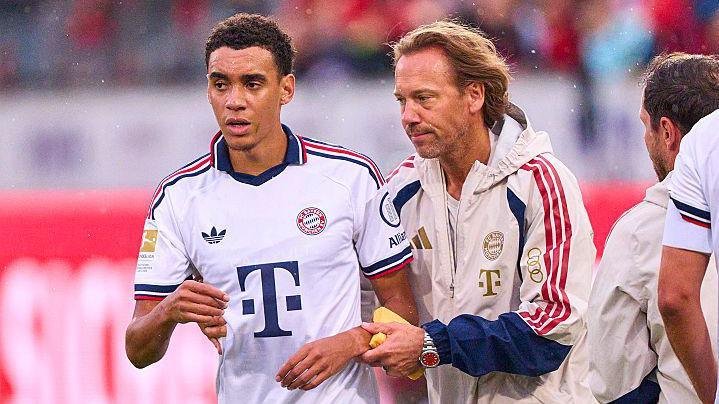
In August 2026, Musiala collapsed twice in four days – with both instances occurring on the pitch whilst playing for Bayern. After those episodes, the German international publicly stated that he had ‘been diagnosed with temporary, brief, but easily treatable absence seizures, which are due to a neurological dysfunction.’ This prompted the higher-ups at Bayern to come out in support of Musiala both in the present and with a positive outlook on his future. With sporting director Max Eberl saying, ‘we will give him all our support, have already done so, and will continue to do so. We’re doing this together.’
However, in the last few days, the Bayern board seems to have changed its tune on the matter. In a bizarre series of statements, members of Bayern’s supervisory board Uli Hoeness and Karl-Heinz Rummenigge have both cast doubt on not only Musiala’s future, but also the solidity of his contract as a result of his condition.
Rummenigge said the following,
It’s also well known that he has a contract involving very substantial sums of money. As a club, we have to consider how to deal with that situation. I think that’s responsible and perfectly normal. What we know unfortunately suggests it will be difficult for him to get back to the level he has often shown here in this stadium. I think we’ve handled the player’s situation very carefully, and we all want him to return, ideally in the best possible shape. But what happens if that doesn’t work out? Then, of course, we’ll also have to continue taking the financial implications into account.
Karl-Heinz Rummenigge – FC Bayern supervisory board member
And then Hoeness added fuel to the fire by stating that,
We’re in a dilemma with him. He has an illness that cannot simply be cured but can be managed to some extent with medication. However whether he will ever regain the level of performance he once had remains uncertain. He is still receiving his salary of course but just imagine if FC Bayern were now to question his contract and say, ‘what he is capable of delivering now is no longer what was stipulated in the contract’.
Uli Hoeness – FC Bayern Honorary President and board member
FIFPro representatives hit back at the Bayern pair arguing that,
Bayern has a duty of care to Musiala. Across professional football, uncertainty about a player’s future can take a toll on their mental health, particularly when they are recovering from injury. Contracts are there to be respected. An injury or a dip in form gives a club no grounds to reopen terms it agreed to, just as a run of outstanding performances gives a player no automatic right to a pay rise.
FIFPro Representative
Now there are clear tensions surrounding player labour and welfare that this situation has cast light on, hence the condemnation from FIFPro – the global trade union and representative organisation for professional footballers.
However, what this ordeal makes even more clear is that football is no longer a game powered by pleasure. Of course, there have been numerous instances of football clubs treating their players as assets as opposed to people, like when Arjen Robben was sold by Real Madrid to FC Bayern in 2009 against his wishes to make space for Cristiano Ronaldo, but never has it been more widespread and explicit.
When you first play football, you’re drawn to the joy of striking a ball, playing with your friends, and a true love for the game you’re fortunate enough to play. But as more and more money has been pumped into football, some of which comes from people who aren’t even familiar with that childish joy, the sport has distanced itself from what makes it so special.
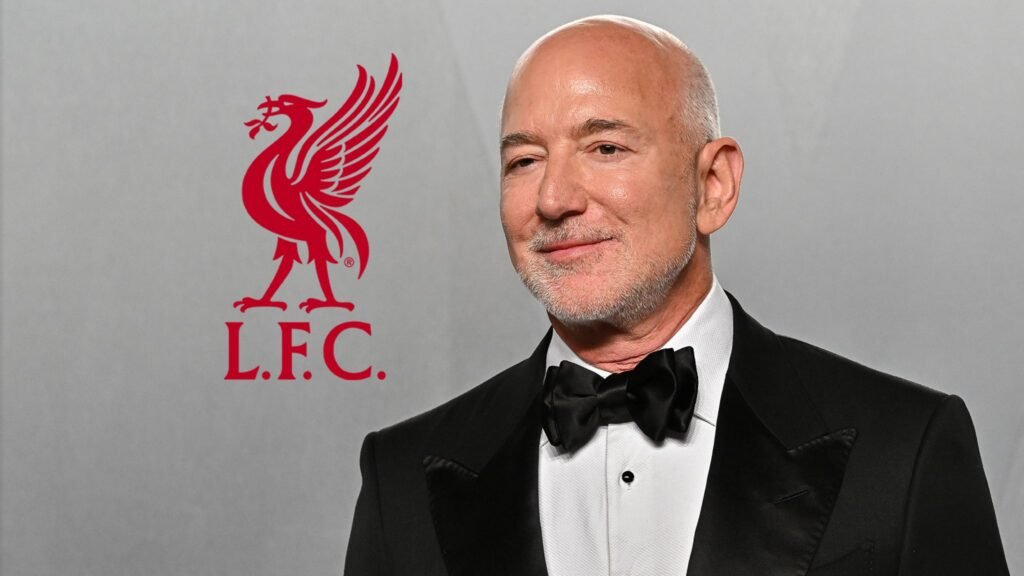
Even my favourite club, Liverpool, have recently taken on investment from a consortium (1892 Holdings) that includes Amazon founder Jeff Bezos. He may be a great businessman, but he doesn’t (at least publicly) have a care in the world about the joys of football itself. Even the group they’re potentially taking control from (Fenway Sports Group) have their roots in a baseball team over 3,100 miles from Liverpool.
As a 23-year old myself, the idea that the board of my place of work could show such little empathy for a life-altering condition is frightening. And for that lack of empathy to be born out of a greater consideration for financial efficiency is even more disgusting. Jamal Musiala, prior to signing his most recent contract, was one of the hottest commodities in world football, with many clubs vying for his signature. He decided to stay loyal to FC Bayern and signed a contract worth a reported £21 million annually (ESPN). At the time, he was worth every penny as he was not only one of Bayern’s best players, but one of the best players in all of world football. Given that he was only 21 at the time, his value looked as though it would only rise.
By signing that contract, the then 21-year old placed his faith in the German club to look after him both on and off the pitch – and as FIFPro made clear, the club has a duty to Musiala that goes beyond just what happens between the white lines.
The comments made by Rummenigge and Hoeness are so grossly ignorant of the player’s situation because their concerns lie so far from him. It is completely absurd to make such comments about someone who is at the forefront of your thoughts. But clearly, the pair are only concerned with the business elements of Bayern’s dealings that they didn’t think to consider what the fallout may be for their employee.
It is a shameful display of ignorance, and it does an exemplary job of highlighting what the biggest problems are in football today. The joy that once brought us all to the beautiful game is no longer what is driving decisions and considerations. It’s now just about the money.



xPass and PAx – the future of passing analytics?