


Much has been made of the performances by Liverpool’s new signings this season. Whether that is the perceived disappointment that Florian Wirtz has been so far, Alexander Isak’s lack of immediate goals, Milos Kerkez’s clear discomfort in his new, more defensive role, or Jeremie Frimpong’s ineffectiveness thus far – Liverpool’s new signings have faced a lot of public scrutiny.
For the most part, this scrutiny has been well placed. When you sign for a club like Liverpool, there is an immediate expectation for you to perform well. Add the fact that the club just came off a Premier League winning season, and that expectation is heightened even further.
But with these signings, there seems to be an even more potent pressure-inducing factor – the price tags. With the club’s transfer record being broken twice this summer, first for the £116 million signing of Florian Wirtz, and then again for the £125 million signing of Alexander Isak, the pressure for Liverpool, and their new signings in particular, to succeed this season was always going to be immense.
And although the bulk of the total £446 million Liverpool spent this summer was made up of the ‘big 3’, Wirtz, Isak, and Hugo Ekitike (£69 million), the immense pressure on all the new signings seems to indicate that the big total figure has had residual effects on the entire team regardless of their own fees.
And these players having lofty expectations is totally fair, in fact I’d argue that it is generally right. When you are worth so much money, have shown that you are a promising or even already elite player, and you then join the previous season’s best team, you would expect those players and that team to be pumping out outstanding performances every week. So, in that sense the reactions we’ve seen to the absence of those outstanding performances are not without reason.
However, a lot goes into why a player may be worth a certain price when they move to a new club; and also what it takes to actually make that transfer work out for that new club. And I will tackle the former first.
When a player is signed by a club, the price tag is simply the value that the selling club believes the player has, or at least the value that they have to them. So, to Bayer Leverkusen and Newcastle, Florian Wirtz and Alexander Isak are worth £116 million and £125 million respectively. The important thing to understand here is that this is the price that a buying club has to pay just to have the player. It says nothing about what kind of value they will bring to their new team and its incumbent system, but instead says everything about what they did for the team they’re leaving, in the eyes of that selling club.
In Wirtz’ case, Bayer Leverkusen believed that he was worth £116 million because of the performances he put out in their team as well as his age (22) and projected potential. None of those factors do very much to tell us what Wirtz will do for Liverpool though, they simply tell us that there is a system that gets £116 million worth of value out of him. And what we have seen so far is that Liverpool’s system, as currently set out, does not get that kind of value out of him.
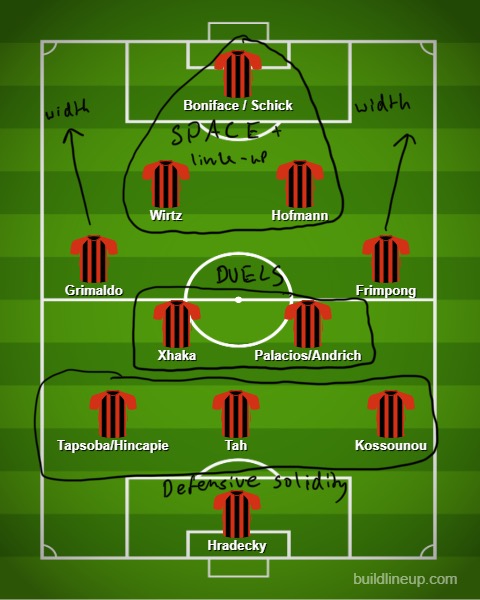
The way Leverkusen set out was almost perfect for Wirtz in the sense that almost every one of his teammates did something to accentuate his strengths and mitigate his weaknesses. Whether that was the space and vertical threat created by his wingbacks, Grimaldo and Frimpong, the intricate link up Victor Boniface and Patrick Schick brought to the team, the duel-winning midfield of Xhaka and Andrich, or the fact that he played as a forward in a 3-4-3 which lessened his defensive responsibilities. Everything Leverkusen did helped Wirtz look like the superstar that he is capable of being. At Liverpool, those circumstances are yet to be in place around him, and it shows.
As for Isak, the £125 million valuation that Newcastle placed on him is a product of his performances as a Newcastle player, playing in Newcastle’s system. Newcastle cannot value Isak based on anything other than what they saw of him in their team and his potential to replicate such performances elsewhere. Essentially, Newcastle value Isak as if he will go on to be the exact same player at his new club and they are absolutely right to do so. However, similarly to Wirtz at Leverkusen, Newcastle completely optimised Isak last season.

Behind him was a physical midfield of Bruno Guimaraes, Sandro Tonali, and Joelinton who were all primarily tasked with winning the ball back and progressing play quickly. Guimaraes’ 91st percentile progressive passes, Tonali having above average statistics in almost every facet of the game, and Joelinton’s progressive carries and defensive metrics act as evidence of this. Their particularly low pass completion metrics (39th percentile, 44th percentile, and 40th percentile respectively) also indicate that the system had them sacrifice safety in possession for higher risk and potential reward – with that reward often being a goal for Alexander Isak.
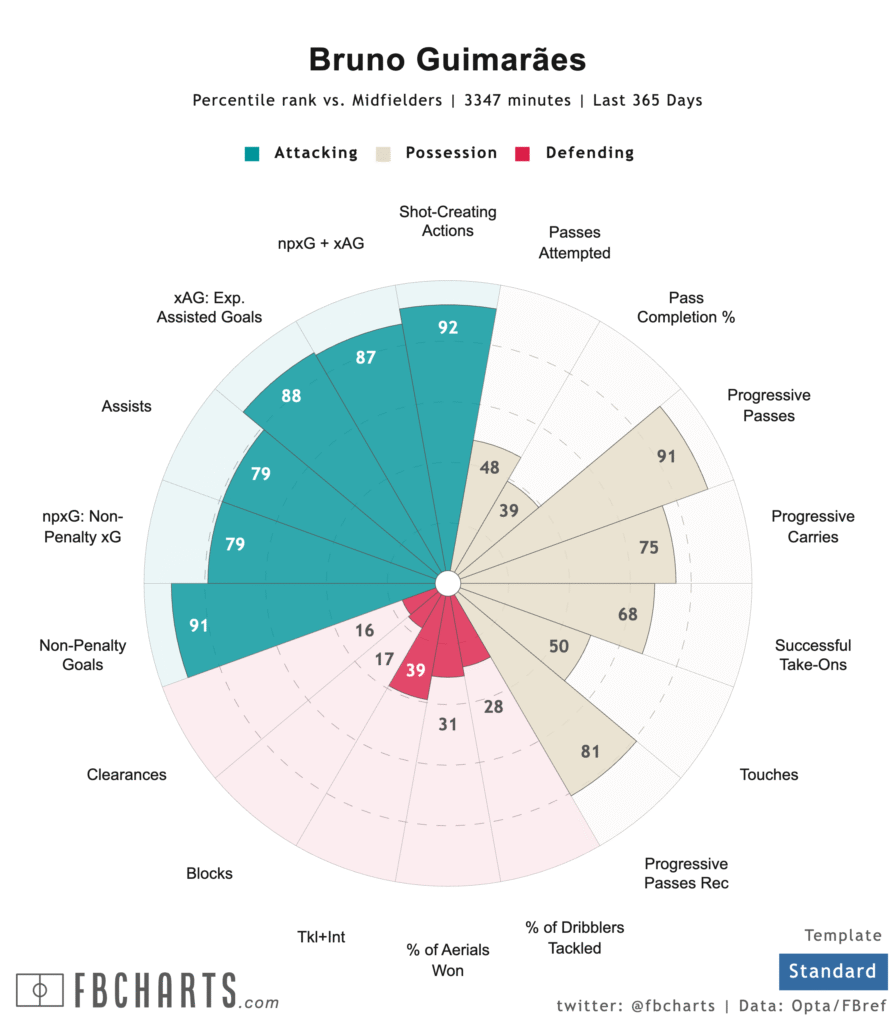
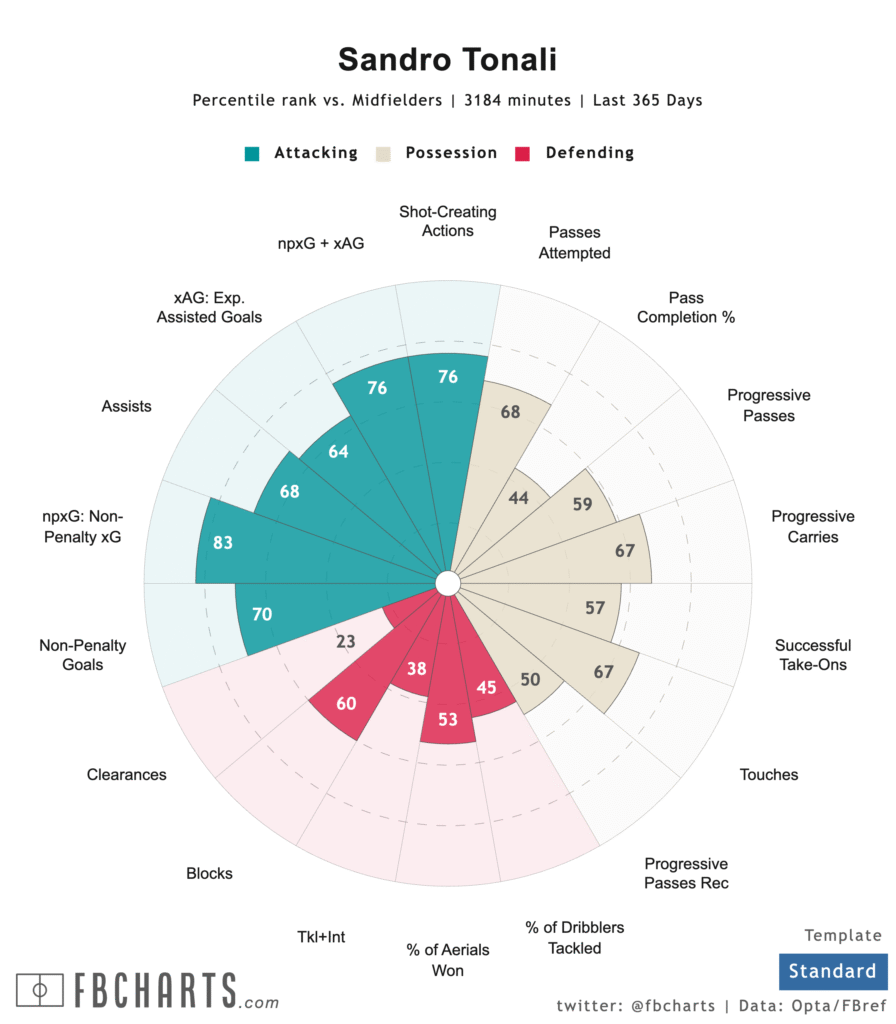
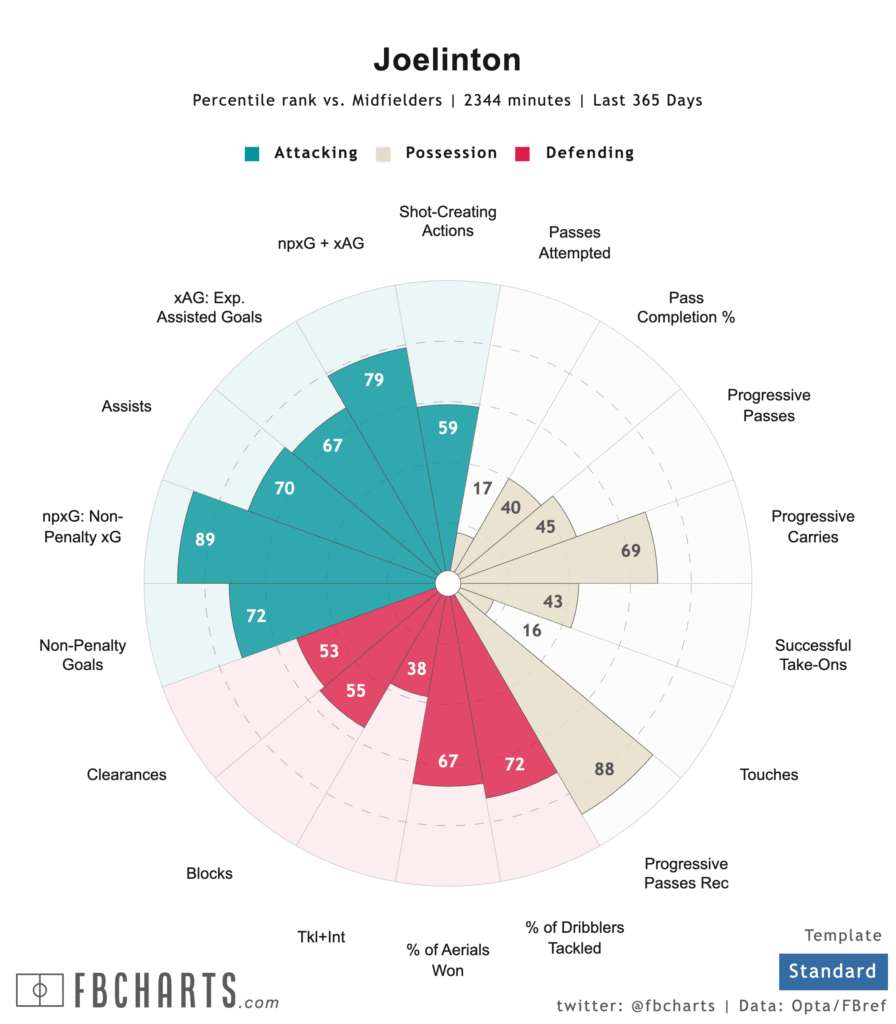
They were not the type of midfield that looked to control games with sustained possession within the midfield but instead looked to attack quickly and just win the ball back if those quick attacks failed.
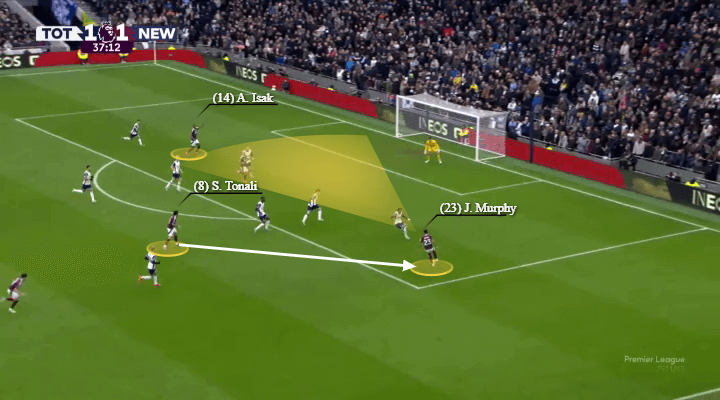
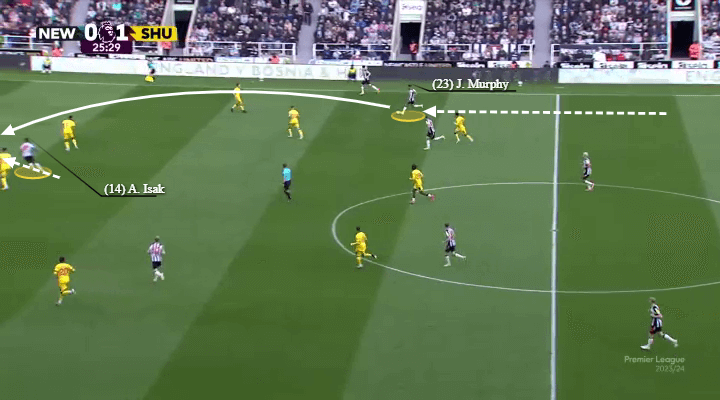
Without making this an article too concerned with last year’s Newcastle squad, the forwards also played an important role in how successful he was last year, as they too were integral in creating chances for him and allowing him to be primarily concerned with putting the ball in the back of the net. Jacob Murphy was one of the league’s best creators last year (ranking in the 98th percentile for assists) and his chemistry with Isak as well as the midfield was a pleasure to watch on numerous occasions.
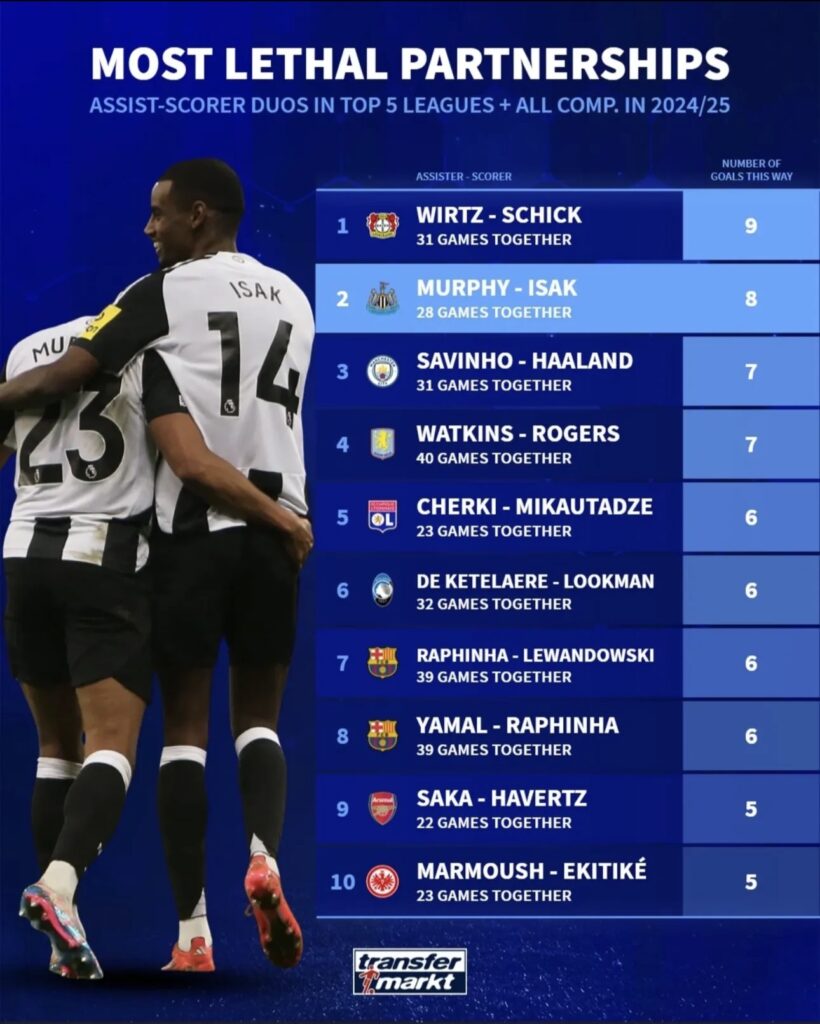
Now as much as this may sound like Liverpool can be let off the hook for these performances, that is far from the case. It might not be their opinion that Wirtz is worth £116 million in their system right now, but if they’re going to pay it then it is up to them to make it work. This is where the second part of what makes a transfer successful takes centre stage – the incumbent system and how the new signings become a part of it. If you’re going to sign players from clubs that have designed their systems around these players and shown that they can be effective when those circumstances are right, then you must have an idea of how you will create your own circumstances that will also get the most out of them too.
For a team to make subtle tweaks to its system with one or two squad players is one thing; for them to add 6 potential starters and build a system that optimises them all is totally different. Isak had a system built around him, Wirtz had the same. Kerkez was one of Bournemouth’s most important players last season and Ekitike was the same for Frankfurt. All of these players have taken up new roles at Liverpool because the system is no longer tailor-made for them anymore.
Arne Slot, by adding these new players to his squad, has challenged himself to build a system that somehow maintains the Premier League winning output of the returning players from last year, whilst also incorporating 6-7 new players that could potentially, if he gets it right, take Liverpool to even higher heights than last season.
But what we’ve seen thus far is that he hasn’t found that balance yet. In a team that saw players like Mohamed Salah and Alexis Mac Allister perform superbly all season, they have clearly struggled to start the year, with Salah having some especially poor performances. Which was compounded by his terrible performance in the most recent 2-1 loss to Chelsea, in which chemistry between the forwards and midfielders looked completely absent.
These kinds of performances from the returning players indicate that Slot has changed something to help incorporate the new players, since many of the returners have looked very uncomfortable in the early stages of the season. Which can be highlighted by the use of Dominik Szoboslai at rightback (a position he has never played before) on numerous occasions just to fit all the important players in. However, these changes haven’t yet found ways to fully optimise the new players.
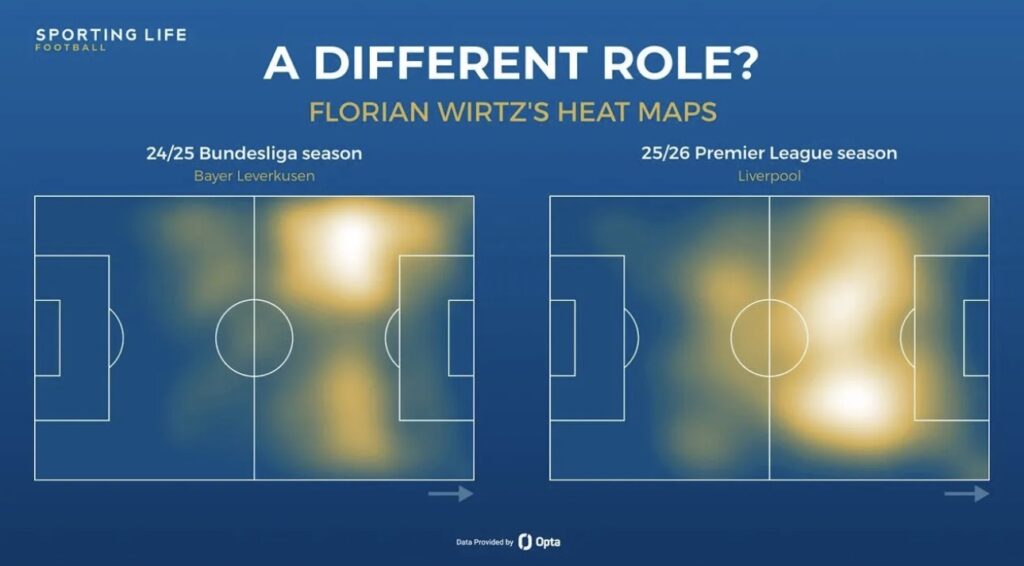
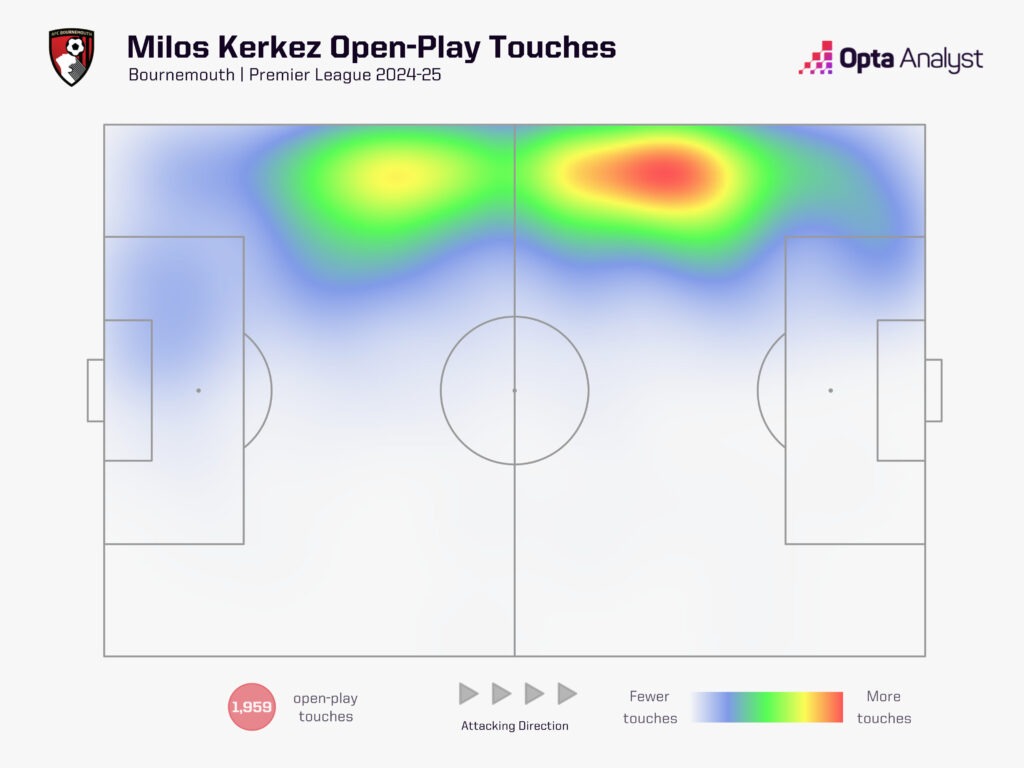
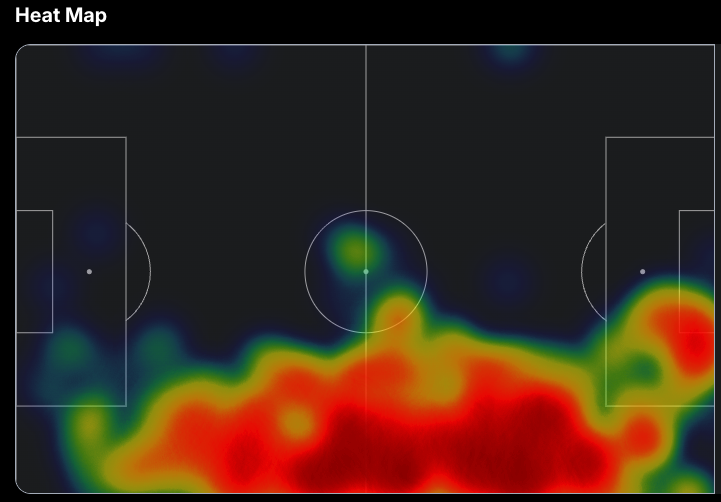
Kerkez has yet to be fully unleashed down the left wing where he was so dangerous for Bournemouth last season. And the heat maps from this and last season show that he hasn’t been able to be as advanced as he was last season. And even though this season’s map tracks his overall positioning and last season’s tracks his touches, we can see and infer, from the amount of time he has spent in very deep positions and lack of final third involvement, that his role has changed quite considerably.
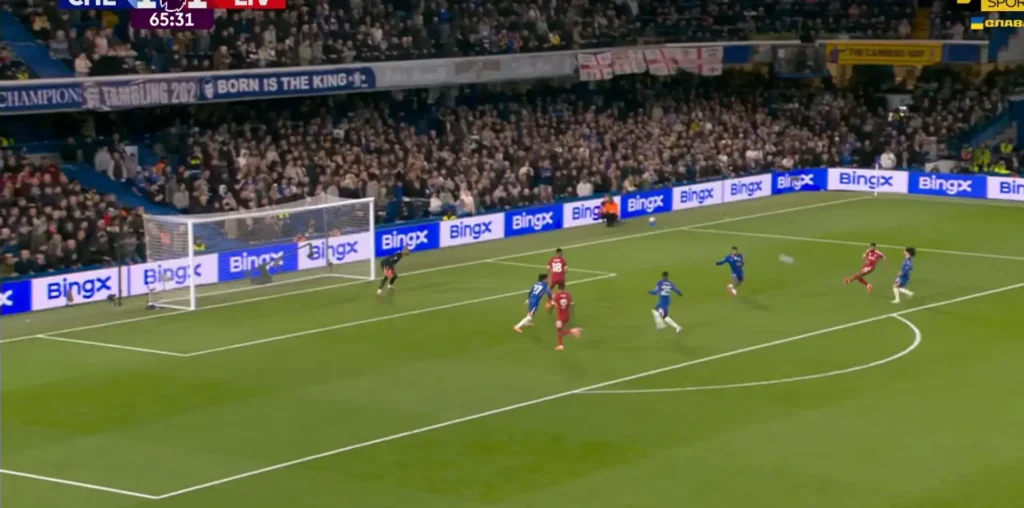

For Isak, the Chelsea game showed just how little emphasis Liverpool have placed on making their centre-forward a focal point for their attacks as many of Isak’s runs were completely missed throughout the game – a problem that the Swede would rarely have faced with Newcastle last season.
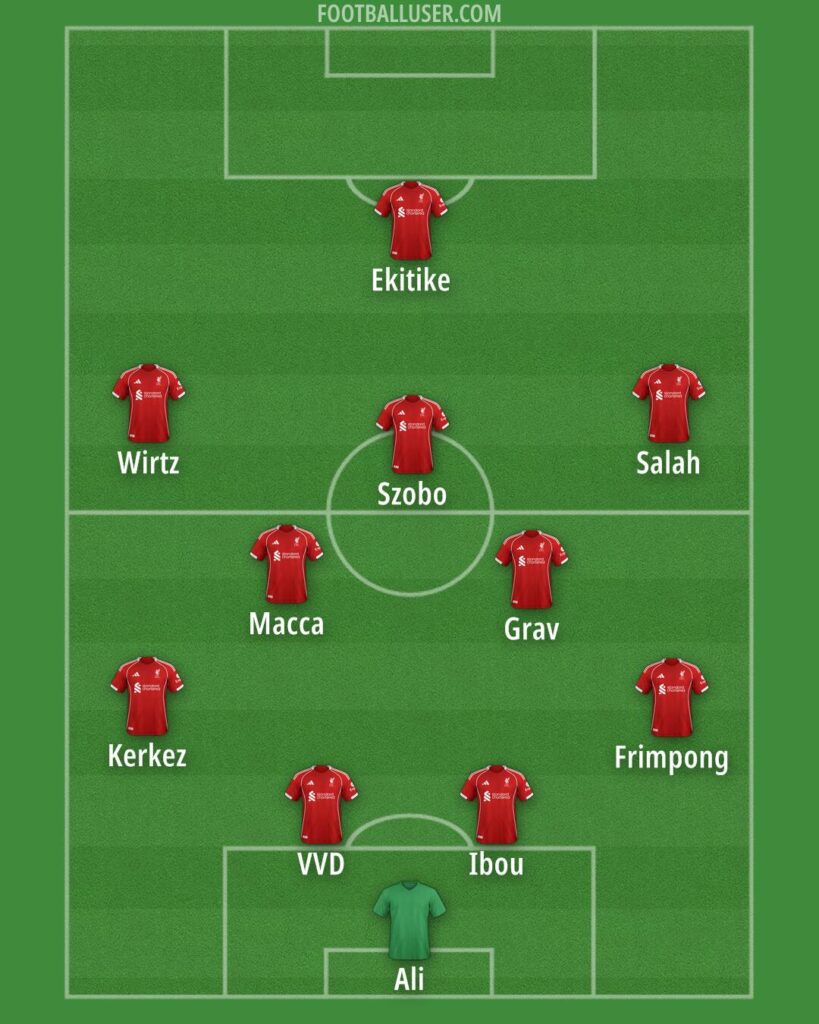
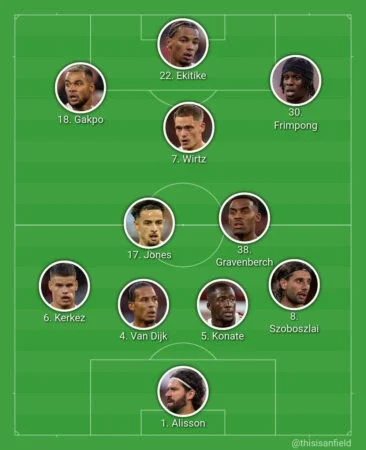
And there have been similar themes for Frimpong too, as his wingback position doesn’t exist in Liverpool’s system. Subsequently, he has been forced to play as a true right-winger or fullback, both of which he did not previously play and were not the positions that led to him being valued at £29.5 million.
The best performer of the new signings thus far has been Hugo Ekitike, and his relative success acts as further reinforcement of my point that the system often makes the player, in terms of how well they perform when changing clubs at least. Ekitike’s role in Liverpool’s team is not too dissimilar to the one he had at Eintracht Frankfurt last season. He is given license to drop into the tip of the midfield and link up with the other midfielders to allow himself to be involved in build-up, before eventually finding himself further up the field to finish off the chances he helped build.
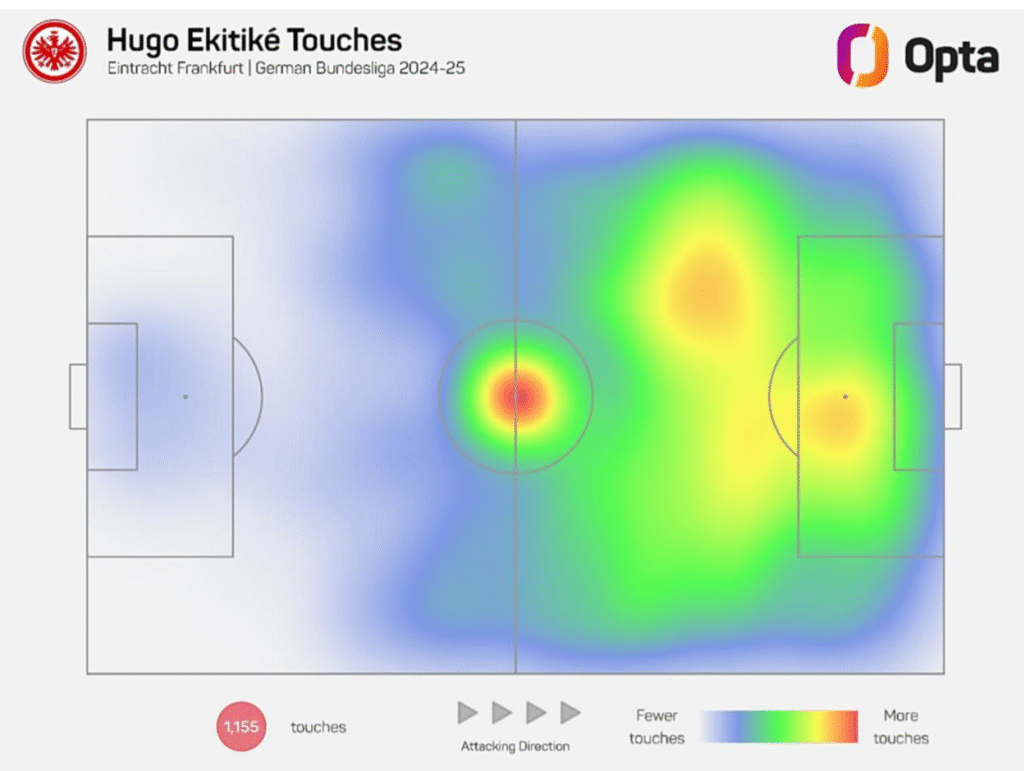
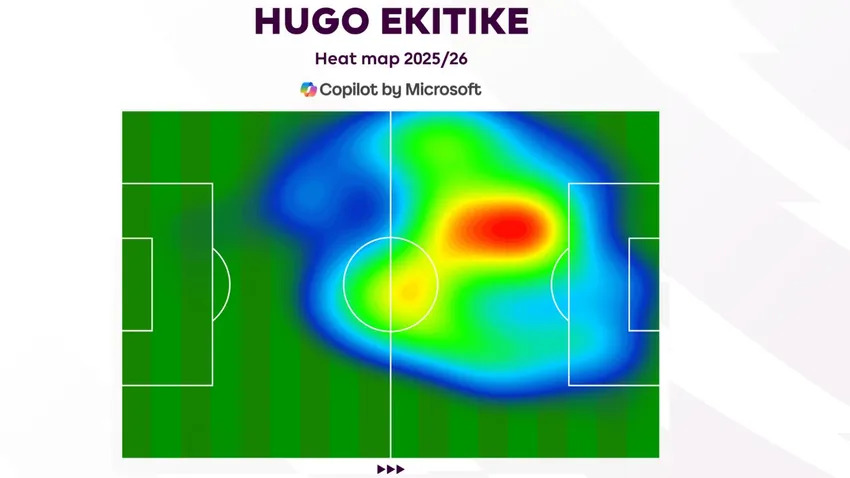
These heat maps show that he isn’t really being asked to do too much differently, at least positionally, even though he is playing in a completely different team now.
But for Wirtz, Isak, Frimpong, and Kerkez, life playing at Liverpool has been very diferent from what they’ve been used to, and what made them worth a combined £377 million.
Ultimately, the reason I say that we ought to be more reasonable about Liverpool’s new signings is because I don’t think we are actually doing any reasoning or consideration about why they are performing below expectations. Here, I have outlined some fundamental and, in reality, very simple reasons for why things haven’t looked good to start the season.
People have simply seen the price tag, compared that with the performances, and concluded that these players are simply not good signings. That kind of rhetoric is simply unreasonable. It assumes that the players can’t adapt to the current system over time, the manager won’t adjust the system and eventually find a sweet spot where each of the new players play closer to, or at expectations, and more aggressively, it assumes that the players only have a short amount of time to make their transfers work.
These players were signed on 5-6 year deals and with the exception of Isak who is 26, are all under 24 years old. They would have been signed with an outlook that greatly exceeds just this season. If they were to have one full season without making it click, which we have no real reason to believe will be the case as we’re only six weeks into the season, they would still have 4 years on their initial contracts to get things in order. After all, Luka Modric was voted the worst signing in LaLiga in 2012 and went on to win the Ballon D’Or ahead of Cristiano Ronaldo and Lionel Messi six years later, in 2018.


Arne Slot has a very difficult job ahead of him when it comes to making sure all of the elite players at his disposal are able to showcase their strengths and able to help each other mitigate their weaknesses; but it is not a quick fix and unfortunately, that is what many people think it is.
‘Drop Salah!’ ‘Drop Wirtz!’ ‘Play 4-4-2!’ These are the kinds of ideas being floated around punditry and social media, and as much as they may lead to improvements for some, the solutions are far more complex than even people who understand football may think. This is the kind of consideration I argue that we ought to have about all transfers and especially Liverpool’s mega expensive new players.
After all, we all saw Antony excel at Ajax, which earned him a move to Manchester Utd for £86 million, proceed to struggle immensely there, and then experience a resurgence after leaving and moving to Real Betis.
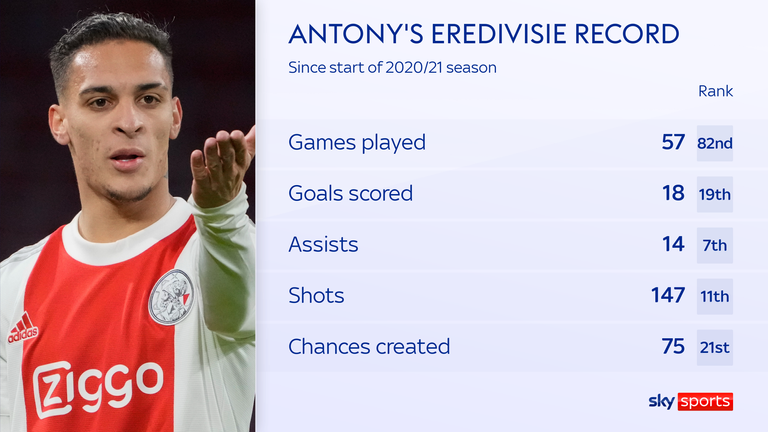
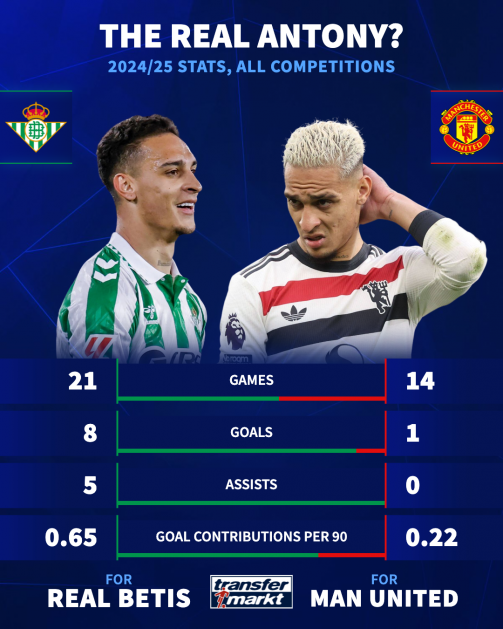
The same can be said of Antoine Griezmann after moving back to Atletico Madrid, or even Marcus Rashford after leaving Ruben Amorim’s new system at Man Utd and joining Barcelona.
If you ever needed any evidence to say that most footballers are usually the same players they always were, and the system is what drives their performance then look right at those examples.
So, to conclude, I’m not saying that we shouldn’t scrutinise the new signings, especially because of how much they cost, who they are, and who they’re joining. I’m simply saying that to write them off 6 weeks in is incredibly naive and may bite us if/when Slot figures out a way to get them firing on all cylinders.

If you’d like a deeper dive into my ideas on this discussion then check out my YouTube video using this link: https://www.youtube.com/watch?v=hbMVtald6gc






Are Liverpool trying to be like the Dodgers?