


We might be at the point in sports now where stockpiling as many of the best players on your team as you can is no longer the best way to go about winning. In the 10-15 years since the ‘superteam’ term was popularised, we have seen many superteams win championships. But in the last few years we have seen a lot of ‘normal’ teams lift trophies too. So, that begs the question: Is the ‘superteam’ era now over? Or is it just experiencing a period of inefficiency?
What is a ‘superteam’?
There is no universal definition of a superteam, and across different sports, the definition changes slightly due to the number of players a team has. For example, on a basketball team, 3 superstars would make up 60% of a lineup but for a football team, that would be just 27%.
But regardless of the numerical differences across sports one polarising element of the debate that is consistent is how exactly a team becomes a ‘superteam’. To some, it’s just a team that has an extraordinary amount of ‘superstar’ players. To some, it’s the inorganic assembly of said superstar players. For me and many others, the term ‘superteam’ is saved for those who go out and acquire superstar players to be the face(s) of their franchise through trades, free agency, or transfers. Teams that organically generate multiple superstar players don’t feel like superteams in the way that we typically use the word.
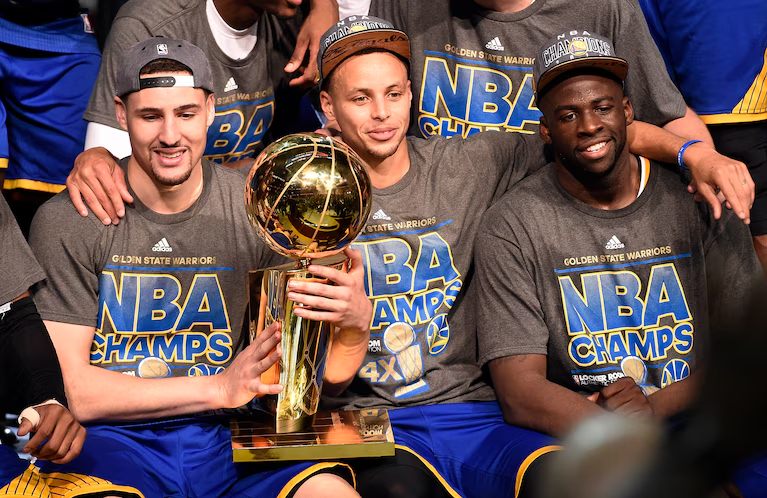
So, before the Golden State Warriors signed Kevin Durant, even though you could say that they had three superstar players in Steph Curry, Klay Thompson, and Draymond Green, I, and many others, didn’t consider it a superteam. But by going out and acquiring Kevin Durant in free agency, they were then unequivocally a ‘superteam’. The same can be said of the way the 2012 Miami Heat, 2020 Brooklyn Nets, and 2008 Boston Celtics were built.
Why build a superteam?
In short, superstars win games. LeBron James is the kind of player that can win you a game. The same can be said of Cristiano Ronaldo, Shohei Ohtani, and Micah Parsons. So, if you want to win, you would probably want as many of those players as you can have on your team. Think about it, why rely on one superstar to be on it every night when you can have multiple? Surely then one of those guys will win you the game right?
The rationale is clear. Have as many game winners on your team as you can and you will win more games.
When would a superteam work?
The Golden State Warriors are the perfect example of how this philosophy can work. In those three seasons they won 2 championships and were agonisingly close to winning a third if not for two freak injuries to half of their superstar core. But what we saw from that team was just how much of a luxury it was to have multiple superstars. If Steph Curry had on off night, KD was there to fill the box score up with 30. If KD was off, Curry and Thompson could combine for 60 with 8 made threes each. There was no pressure on the stars to be stars. But there was room for them to be. It truly felt like those teams were unbeatable; and if not for those injuries to Thompson and Durant in 2019, they very well could’ve been.
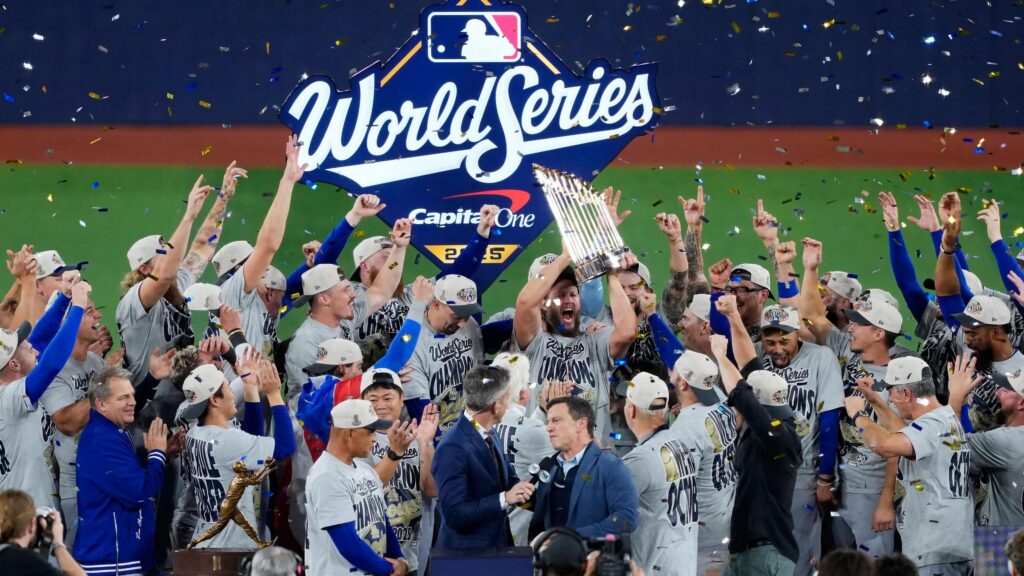
And just because I want to talk about them, and they definitely deserve a mention when talking about superteams, the Los Angeles Dodgers have assembled possibly the greatest roster in baseball history that gets better every offseason, and won the last two World Series as a result. Their super superteam has been unbeatable thus far.
When would a ‘superteam’ not work?
But in the same light, a superteam needs a very particular environment to succeed. The Warriors had a Hall of Fame coach in Steve Kerr, with a universal team ethos, and an irreplaceable supporting cast. In addition, the superstars rarely missed time with injury, and thus learned exactly how to play together.
When you don’t have all of those added amenities, the whole thing can come crumbling down.
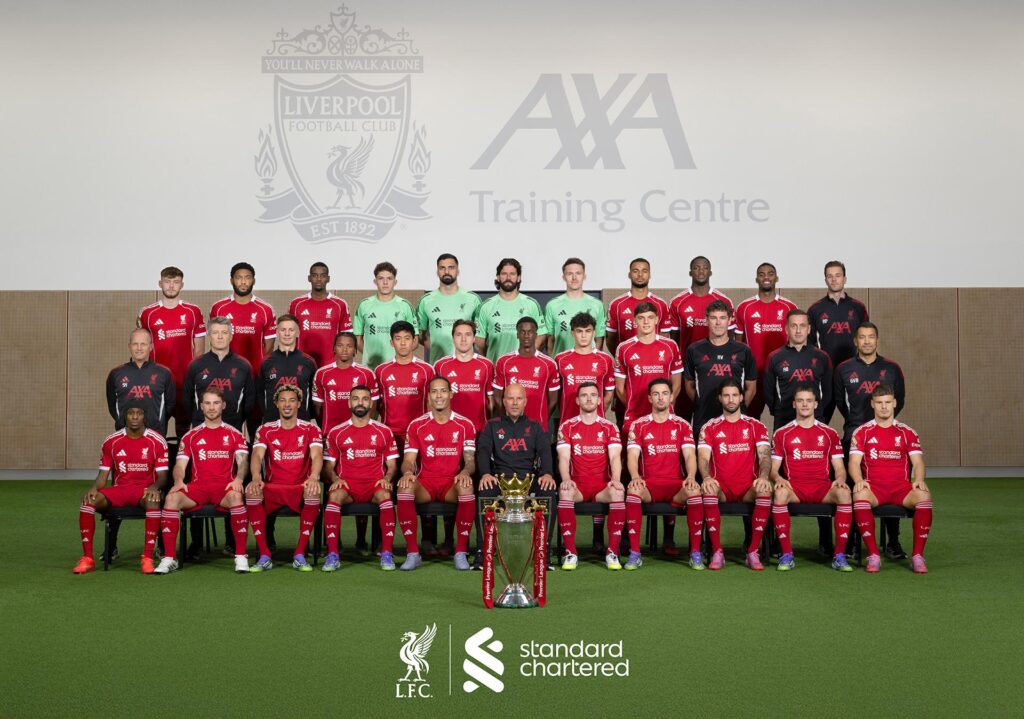
Take this season’s Liverpool squad. They were in a similar position to Golden State in 2016 when they signed KD. They had just won the Premier League, whilst GSW had won it the year before, and only lost in 2016 to one of the greatest comebacks in sports history.
And as I said before, Golden State adding just Durant was enough to see them as a superteam since basketball rosters are so small. Liverpool however, would’ve needed much more to be seen in the same light. So, they signed Alexander Isak, Florian Wirtz, Hugo Ekitike, Milos Kerkez, and Jeremie Frimpong to their league winning team. They had built a superteam.
But Liverpool have learned the same lessons that many have learned in the past. You can have all the superstars that you want, but if you don’t have the right amenities and environment, you won’t be successful. Just ask the PSG teams that fielded Lionel Messi, Neymar, and Kylian Mbappe.
Questions have been asked of Arne Slot’s managerial work, the declining form of the supporting cast, and the fit of the superstars themselves. It’s clear that they aren’t the well-oiled machine that the gold standard Golden State Warriors were.
What is the ‘superteam’ alternative?
In recent years, however, we’ve seen many ‘normal’ teams lift trophies.
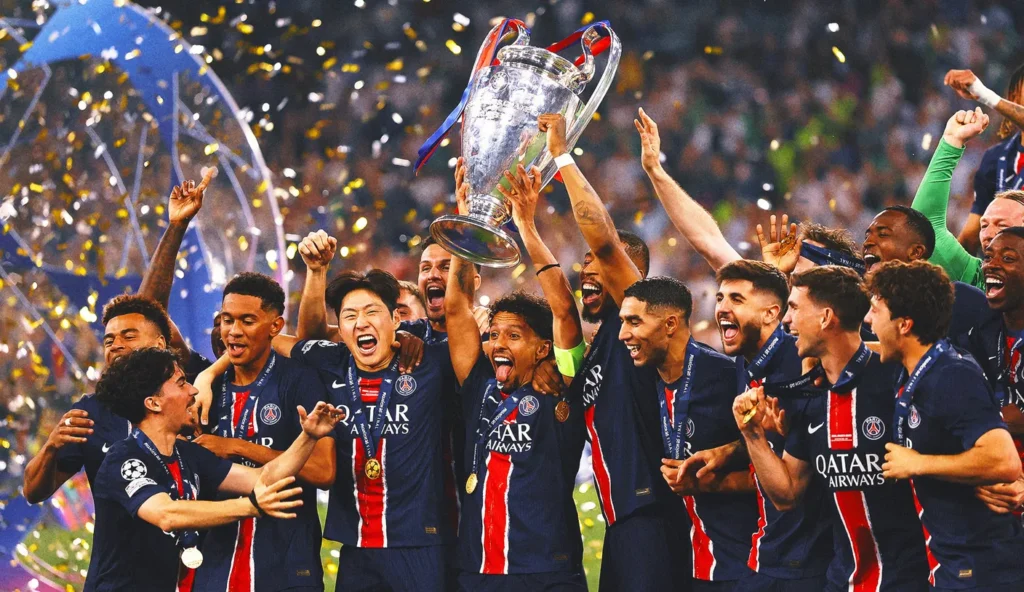
PSG left behind their three headed monster and won a previously elusive Champions League in their 2025 treble-winning season. Liverpool have never been a ‘superteam’ type club and rode a unique and potent style of play to two Premier League titles in 5 years. Even the dominant Oklahoma City Thunder were built from the ground up and won an NBA Championship largely from players and a system they had developed and curated themselves.
You don’t need superstars if your system, amenities, and supporting cast makes above average players look like superstars anyway. Jalen Williams, Ryan Gravenberch, and Desire Doue are not the kinds of players that take a team from good to superteam. But on their respective teams, they look like superstars.
The alternative to going out and acquiring a superteam is to build a ‘super-environment’ that makes your good players look like superstars. They may move on and return to their above average level, but they likely won’t be superstars (look at Jordan Poole for example). That doesn’t matter, you just have to make as many of your players play like superstars for you, even if it might not be universal.
Should teams continue building ‘superteams’?
In short, yes. Superteams do give you the best chance to win, especially in sports like basketball. But you have to make sure you’re a Golden State, and not Brooklyn type superteam. The consequences of building an unsuccessful superteam are far greater than building an unsuccessful normal team. Superstars demand massive contracts, expectations, and attention. If the team isn’t good, you will likely suffer in the years that follow its disbanding.
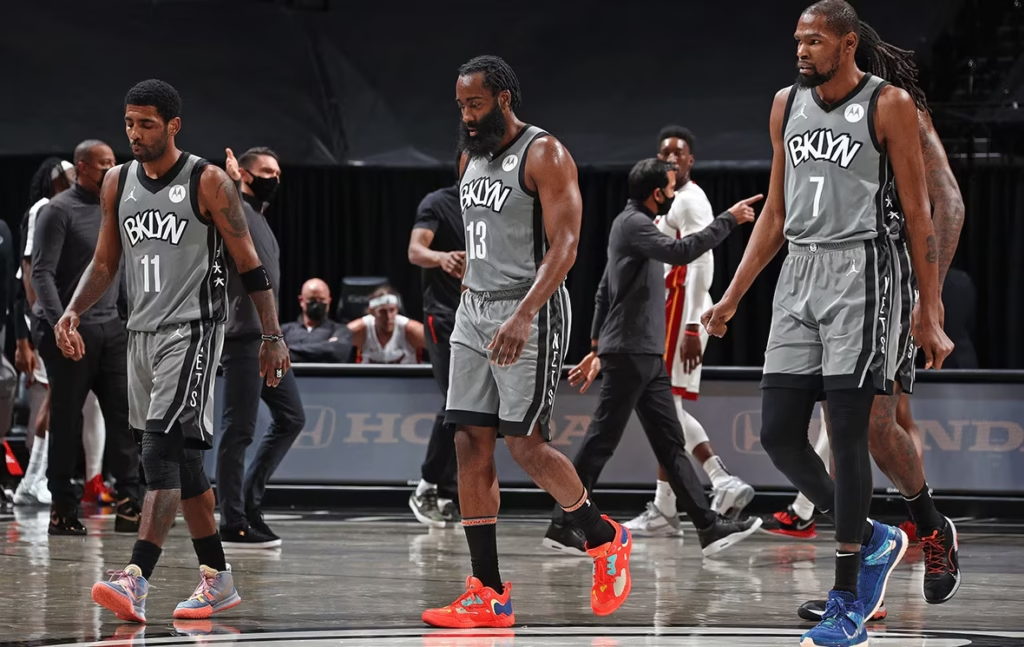
The Brooklyn Nets still haven’t recovered from the shortcomings of their superteam era, and have been one of the worst teams in the NBA ever since. Liverpool are on the verge of missing out on the Champions League for next season which would have disastrous ripple effects in future seasons. And even on the baseball diamond, the New York Mets have been amongst the biggest spenders over the past 4 seasons (totalling $1.36 billion over the last 4 years), and are now suffering in a sort of baseball purgatory as they hopelessly cling on to the hope of winning now.
So, yes, continue to build your superteams, but only if you know how to run them.
[Featured image from SPORTbible]





How The Athletic are consistently ‘ahead of the curve’